Gambling Myths vs Facts: Debunking Common Misconceptions
House Edge, Skill, and What You Can Actually Control
The house edge is the built-in advantage a game gives the casino over many plays. It doesn’t stop a win today; it means that across many plays the casino keeps a small slice on average. You can win short-term, but steady profit from pure chance misreads the math.
Example (illustrative): in an even-money game with a small edge, you might double your money in one evening. That doesn’t “beat” the edge; it’s one lucky path in a noisy short run. Skill helps in decision games (when to stand or fold), yet luck still swings results.
- You control the rules you follow (for example, basic decisions in card play).
- You control session length, breaks, and when to stop.
- You control the money you choose to spend on entertainment.
Randomness, Streaks, and the Gambler’s Fallacy
Randomness is not memory
A common myth says a result is “due” because the opposite has not appeared lately. The gambler’s fallacy is exactly that belief: past outcomes in independent events do not change the next one. A fair coin does not remember its last toss; the same idea applies to roulette and slot results. Chasing a “due” outcome often pushes stakes up without reason.
Example (illustrative): if red appears five times in a row, many people feel black must be next. The odds for the next spin are unchanged. Long-term patterns may balance, but they don’t predict the next spin.
Betting Systems: Why Progressions Don’t Change the Odds
Why betting progressions fail
Systems that raise or lower stakes after wins or losses sound tidy, but they cannot alter the chance of each round. They only change how fast your money moves. Limits, streaks, and finite budgets break the promise that “you will always get back to even.”
Example (illustrative): in a doubling system, you bet 1, lose; bet 2, lose; bet 4, lose; bet 8, win. You gained 1 unit, but risked 15 units to get there. A longer losing streak can hit a table limit or empty your funds before the “catch-up” win arrives. The odds never improved; only your exposure grew.
Machines, Near-Misses, RTP, and Volatility
Modern slots and digital games pick outcomes from a large set at random. A near-miss (two jackpot symbols and one just above) looks meaningful, but it is simply another losing stop. Return to Player (RTP) is an average share paid back over a vast sample, not a promise for your session. Volatility describes how bumpy the ride is: higher volatility pays less often but in larger chunks; lower volatility pays more frequently in smaller amounts.
Example (illustrative): two games with the same RTP can feel different. One might trickle small wins; another might be quiet, then drop a big prize. The average may match, but the path can be smooth or spiky.
| Myth | Reality | Everyday example |
|---|---|---|
| “Near-miss means I’m close to a win.” | It’s a loss by design; no extra chance next spin. | Being 2 minutes late for a bus doesn’t speed the next one. |
| “High RTP guarantees I’ll profit now.” | RTP is a long-run average, not your session. | Weather averages don’t predict today. |
| “Hot machines keep paying.” | Each spin is independent; recent wins don’t force more wins. | Rolling a die doesn’t get “tired” of sixes. |
Practical Mindset: Separating Fun from False Hope
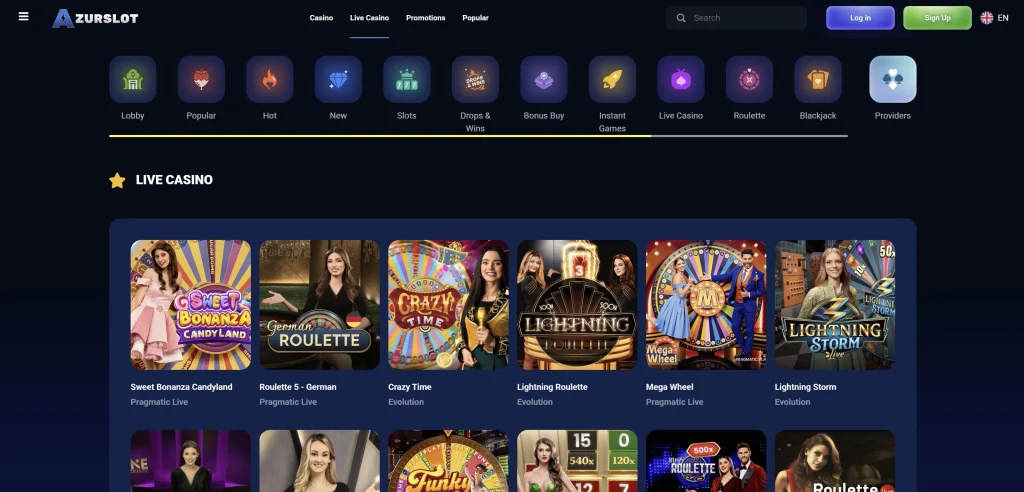
Games of chance are easier to enjoy when treated like paid leisure, not a plan. Wins get attention while dry spells are quiet. If you browse a site such as mystakebonuses.com, note that promotions aim to attract play; decide for yourself what “fun” and “value” mean. When claims appear, ask if they assume memory in games, sell a short streak as “proof,” ignore limits and losing runs, or turn long-run averages into near-term promises.
Simple checks before you play
- Pick an entertainment spend and stick to it.
- Set a time limit so sessions don’t drift.
- Use small, steady stakes to make play last.
- Pause after a big swing; let feelings cool.
Conclusion: Myths can make random events feel controllable, but the odds stay the same. Understand the house edge, respect independence between rounds, and treat averages as long-run ideas. With clear expectations, you can keep the experience simple and enjoyable.